What to know about tight access moves in Colindale flats
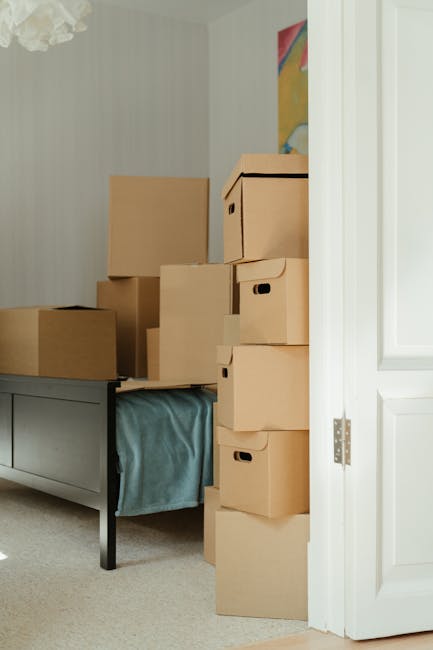
If you are moving out of, or into, a Colindale flat with a narrow hallway, a small lift, awkward stairs, or parking that feels like a puzzle, you already know the issue: the move is not really about distance, it is about access. That is the heart of What to know about tight access moves in Colindale flats. A sofa that looks perfectly manageable in the living room can become a completely different story once it reaches a stairwell that barely turns a corner.
Truth be told, tight access moves reward preparation more than muscle. The good news? With the right measurements, a sensible packing plan, and a removal team that understands flat layouts in NW9, the whole thing becomes much calmer. In this guide, we will walk through what tight access actually means, why it matters, how a move is usually planned, and what practical steps make the biggest difference on moving day. You will also find a checklist, a comparison table, and a few local pointers that make life easier when the route from front door to van is less than straightforward.
Table of Contents
- Why tight access moves in Colindale flats matter
- How tight access moves work in practice
- Key benefits and practical advantages
- Who this is for and when it makes sense
- Step-by-step guidance
- Expert tips for better results
- Common mistakes to avoid
- Tools, resources and recommendations
- Law, compliance, standards and best practice
- Options, methods and comparison table
- Case study or real-world example
- Practical checklist
- Conclusion
- Frequently asked questions
Why tight access moves in Colindale flats matter
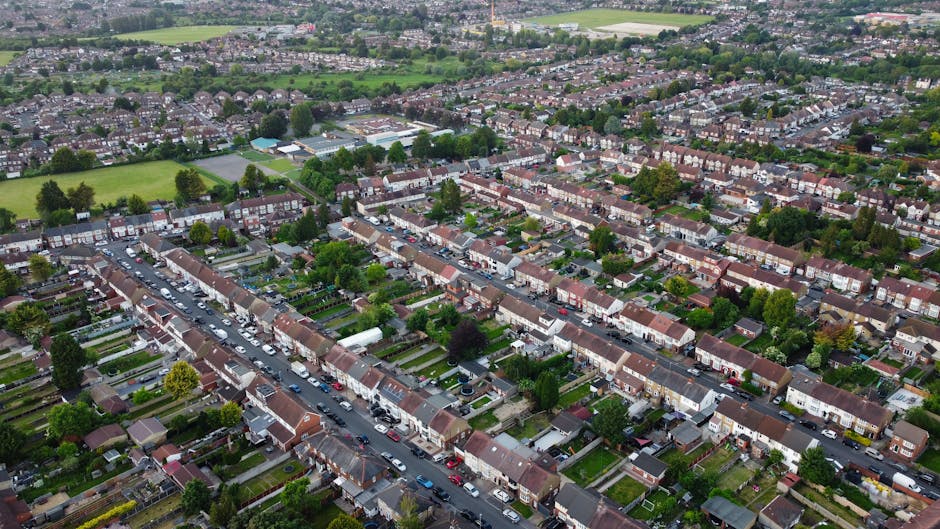
Colindale has plenty of flats, and many of them are exactly the kind of homes where access can slow a move down. That could mean compact communal corridors, lift restrictions, stair-only access, basement entries, awkward parking, or a route that requires careful timing around neighbours and building rules. None of that is unusual. But if you ignore it, the move can become stressful fast.
Why does it matter so much? Because access shapes everything: how long loading takes, whether items need extra protection, how many people should be on site, and whether certain furniture can be moved whole or needs dismantling first. A narrow turn in a stairwell might be a minor inconvenience for a box of books. For a wardrobe, it can stop the job completely. That is why experienced movers treat access as the first planning question, not the last.
In practice, tight access also affects your neighbours and building management. If the lift is small or shared, you may need to work around busy times. If parking is limited, the van may have to stop further away, which adds carrying distance. Those extra metres might not sound like much, but on a wet Wednesday evening in Colindale, they can make a noticeable difference. Let's face it, nobody wants to be dragging a mattress down a corridor while the lift door keeps closing on you.
If you are planning a flat move and want broader support around the moving process, it can help to read this guide to bringing calm into a house move and, for packing efficiency, our packing perfection guide. Those pieces fit neatly alongside the access planning you need here.
How tight access moves work in practice
A tight access move is usually handled as a route-and-risk exercise. In plain English, the mover works out how each item will get from the flat to the van without damage, delay, or unnecessary lifting strain. That means checking the route, choosing the right equipment, and deciding what should be wrapped, dismantled, or carried in sections.
The process often begins before moving day. A quick discussion or survey may cover:
- stair width and turning points
- lift size, if there is a lift at all
- parking distance from the entrance
- door widths and ceiling height in the corridor
- any fragile, heavy, or awkward items
- whether communal areas need protecting
- the best time of day for less disruption
Once that picture is clear, the move can be shaped around it. For example, a bed frame might be dismantled in the bedroom rather than pushed into a hall where there is no turning space. A sofa may be wrapped and tipped on its end only if the route allows it safely. Boxes might be stacked in a way that keeps the van loading efficient, because access problems tend to multiply if the van is packed badly.
There is also a human side to this. In a compact flat, one wrong move can create a bottleneck. One person at the wrong end of a wardrobe, and suddenly no one is moving. That is why coordination matters as much as strength. A good team will communicate clearly, move in stages, and avoid forcing items through spaces that are obviously not friendly to them.
For bigger or more delicate items, specialist help can be the difference between a smooth day and a headache. You can see how that applies to awkward furniture through furniture removals in Colindale and to especially fragile or valuable items via piano removals in Colindale. Even if you are not moving a grand piano, the same mindset applies: measure first, move second.
Key benefits and practical advantages
Planning properly for a tight access move does more than reduce stress. It creates a cleaner, faster, safer process. That sounds obvious, but people often underestimate how much time is lost when the route is not thought through. A few minutes spent measuring can save an hour of awkward shuffling later on.
Some of the biggest advantages are straightforward:
- Less damage risk - furniture, walls, and communal areas are better protected.
- Faster loading and unloading - because everyone knows the route and the order of items.
- Lower physical strain - fewer surprise lifts, less twisting, less awkward carrying.
- Better neighbour relations - less blocking of corridors and lifts, less noise, fewer delays.
- More accurate pricing - a team can quote more sensibly when they know the access conditions.
There is also an advantage that people do not always mention: better decision-making. Once you know the access is tight, you stop trying to move everything as-is. That alone can improve the whole experience. A wardrobe door can come off. A table can be taken apart. A sofa cover can be removed and protected properly. Small choices, but they add up.
If you are trying to keep costs under control, it may also help to declutter before the move. Less volume means less time spent wrestling with the same corridor. Our smart decluttering techniques guide is a good companion read if you want to trim the load without making a mess of the process.
Who this is for and when it makes sense
Tight access planning matters for more people than you might expect. It is not just for top-floor flats with endless stairs. It also applies to ground-floor properties with narrow doorways, communal hallways, shared entrances, or parking that is awkwardly placed. If a standard trolley run from van to door is not possible, you are in tight access territory.
This is especially relevant for:
- tenants moving in or out of purpose-built flats
- students relocating between smaller Colindale homes
- families moving from compact apartments with larger furniture
- flat-share moves where items are spread across several rooms
- people with heavy, bulky, or fragile furniture
- anyone on a time limit, such as end-of-tenancy deadlines
It can also make sense to book professional help if you are moving on a tight schedule or cannot physically handle the more awkward lifting. A lot of people think, "It's only a flat move, how hard can it be?" Then they meet the staircase. The staircase usually wins.
Students and first-time renters often benefit from a more flexible, smaller-scale service. If that sounds like your situation, student removals in Colindale can be a practical fit. For larger household moves, a fuller house removals Colindale approach may be more suitable.
Step-by-step guidance
Here is the part that really helps: a move through tight access becomes much easier when you break it into stages instead of treating it like one huge event. One step at a time. That is not just neat advice, it is how jobs actually get done.
- Measure the full route. Measure doors, hallways, lift interiors, stair turns, and any outdoor pinch points. Do not forget high shelves, radiator covers, or awkward corners.
- List the awkward items first. Sofas, mattresses, wardrobes, desks, mirrors, washing machines, and anything fragile should be checked before everything else.
- Decide what should be dismantled. Flat-pack furniture, bed frames, tables, and some wardrobes are far easier in pieces than as one stubborn object.
- Protect the route. Floor covers, corner protection, blankets, and wrapping materials help prevent scuffs and chips in communal areas.
- Clear the exit path. Remove shoes, bins, plant pots, and loose clutter. A corridor full of "just one more thing" can cause real delays.
- Prepare boxes properly. Keep them a manageable weight and label fragile items clearly. Heavy top boxes are a recipe for regret.
- Plan the van position. Parking close to the entrance can save time and reduce carrying strain. If that is not possible, allow extra time.
- Load in the right order. Large items first, then stacked boxes, then smaller items and essentials. Keep what you need for arrival easy to reach.
- Do a final check before leaving. Count items, check cupboards, look behind doors, and inspect the route for damage or forgotten belongings.
That process sounds simple, and in fairness it is simple. But simple does not mean optional. The people who get the best move are usually the ones who respect the boring bits: measurements, wrapping, and timing.
Expert tips for better results
After many flat moves, one pattern stands out: the jobs that go smoothly are usually the ones where the awkward details were handled early. Here are the practical bits that make a real difference.
Use smaller, stronger loads
When access is tight, oversized boxes are a bad bargain. They feel efficient at packing time, but they become clumsy in corridors and hard on your back. Keep box sizes sensible and avoid overfilling them. A smaller box that can be carried confidently is better than a giant one that needs an apology.
Take furniture apart before you leave the flat
If a bed frame or table looks "probably fine", that is often a warning sign. A few screws removed in the flat can save a long, frustrating attempt in the hallway. Our bed and mattress moving guide explains why stripping and wrapping large sleep items properly is so useful in compact buildings.
Wrap protection around the most vulnerable pieces
Sofas, wood finishes, glass, and corners need care. A little padding stops scratches from becoming expensive problems. If you are worried about a soft item picking up dirt or tearing on the way out, these sofa storage and protection techniques are worth a look because the same wrapping habits help during moving too.
Leave a little breathing room in the schedule
That extra 30 minutes matters. Lifts are slow. Neighbours may use the hall. A van might need to reposition. In a tight access move, the day is often won by the person who planned for small delays instead of pretending they would not happen.
Work with the building, not against it
Where possible, choose quieter times, communicate with management if needed, and keep corridors clear. That is just good manners, and it keeps everyone calmer. A move is noisy enough already.
If the lifting itself is the worry, it helps to understand safe handling rather than guessing. These solo heavy lifting techniques and this introduction to kinetic lifting can help explain why posture, balance, and body position matter so much.
Common mistakes to avoid
Most tight access problems are predictable. That is the slightly annoying truth. The mistakes are usually the same ones, and they are usually avoidable.
- Guessing measurements instead of checking them properly.
- Leaving packing until late and then rushing fragile or heavy items.
- Forcing furniture through a space that is clearly too small.
- Ignoring lift size or weight limits, especially in older buildings.
- Packing boxes too heavily, which makes narrow stair runs much harder.
- Forgetting parking restrictions or failing to allow for a long carry.
- Not telling the moving team about access issues until the day arrives.
- Skipping route protection and risking marks in communal areas.
The biggest one? Underestimating the sofa. It sounds silly, but sofas have a habit of looking fine right up until the moment they meet the stairwell. Then reality arrives. Suddenly the sofa is not moving, no matter what anyone says.
Another common problem is poor sequencing. If the heaviest item gets trapped behind twenty boxes, you waste energy moving things twice. It is a small planning error with a big cost. Better to set the route, then load in the order that fits the route.
Tools, resources and recommendations
Good tools do not solve everything, but they do remove a lot of friction. For a Colindale flat move, the most useful items are often the least glamorous ones.
- measuring tape for doors, lifts, and furniture
- sturdy removal boxes in mixed sizes
- packing paper and bubble wrap for fragile goods
- blankets, covers, and straps for bulky items
- furniture sliders where floors and items allow them
- label stickers or marker pens for clear room-by-room organisation
- basic tool kit for dismantling beds, tables, and shelving
- floor and corner protection for common areas
For practical packing supplies and box planning, packing and boxes in Colindale is a useful place to start. If your move needs temporary holding space because the property is cramped or the timing is split, storage in Colindale can also ease the pressure.
It is also sensible to use a moving plan that keeps the day organised. If you want a broader overview of available support, services overview and removal services in Colindale are helpful pages to explore before you make a booking decision.
Law, compliance, standards and best practice
For most flat moves, the main compliance issues are practical rather than legal, but they still matter. If you are moving in a managed building, you may need to follow building rules about lift bookings, access times, parking bays, and use of communal areas. Those rules are often set by the freeholder, managing agent, or residents' management company rather than by the mover.
Safety standards also matter. Reputable movers should work with sensible manual handling practices, suitable equipment, and insurance arrangements that reflect the risks of moving heavy or awkward items. That does not mean every job is high-risk; it means the team should not improvise in a way that puts people or property at avoidable risk.
Best practice usually includes:
- clear communication about access limitations
- proper item protection
- safe lifting and team coordination
- careful route planning for stairs, lifts, and corridors
- respect for neighbours and shared spaces
- transparency around service limits, timing, and responsibilities
If you want to understand the company's approach to safe handling and responsibility, the insurance and safety information and health and safety policy are worth reading before moving day. For terms, service expectations, and how jobs are handled, terms and conditions can also be useful.
Options, methods and comparison table
There is more than one way to handle a tight access flat move. The best choice depends on what you are moving, how awkward the access is, and how much hands-on help you want.
| Method | Best for | Strengths | Limitations |
|---|---|---|---|
| DIY van hire | Small moves, confident packers, flexible timing | Lower cost potential, full control, useful for short-distance moves | More physical effort, more risk in tight stairwells, you handle the problem-solving |
| Man and van | Compact flat moves, mixed loads, moderate access issues | More flexible than a full truck, easier for short-notice bookings | May not suit very bulky items or highly complex access without planning |
| Full removals service | Larger household moves or heavy furniture | More manpower, better coordination, better for awkward access and larger loads | Usually higher cost, and may need more lead time |
| Split move with storage | Staged moves, refurbishment gaps, tight deadlines | Reduces pressure on moving day, useful when access and timing both create complications | Extra coordination and potential additional storage costs |
For many Colindale flat moves, the middle ground is the sweet spot. A man and van service in Colindale often works well where the property is compact but not impossible. If the access is especially awkward, though, a more complete flat removals service may be the better fit because it gives you extra support where it matters most.
Case study or real-world example
Imagine a second-floor flat in Colindale with a narrow stairwell, one small lift, and a van that cannot park directly outside because the road is already busy. Nothing dramatic. Just the sort of setup that turns a normal move into a careful one.
The move begins with measurements. The sofa will not take the bend in one piece, so it is wrapped and carried with two people, then rotated slowly on the landing. The bed frame is dismantled in the bedroom, which avoids a scrape against the hall wall. Boxes are kept light, and the heaviest ones are loaded first so the carrying distance stays manageable. The lift is used for smaller items only, because a bulky chair would make the whole thing slower.
What changed the outcome? Not brute force. Planning.
By the time the last box leaves, the hallway is still clean, the walls are untouched, and nobody has that glazed look people get after too much lifting. It is the kind of move that does not feel exciting while it is happening, which is exactly why it works. Quiet, efficient, and a bit boring in the best way.
Situations like this are common around busy NW9 blocks, especially where time, lift use, and parking all need to be balanced at once. If you are looking at local route considerations too, these Colindale tube station moving tips offer a useful local lens, while this NW9 moving costs guide helps frame what usually influences price.
Practical checklist
Use this before moving day. It is simple, but it catches a lot of the problems that tend to appear when people are in a rush.
- Measure every doorway, corridor, stair turn, and lift opening.
- Check whether any furniture needs dismantling.
- Identify fragile, heavy, or high-value items early.
- Confirm parking access and loading distance.
- Book lift times or building access if required.
- Tell the mover about any narrow or awkward sections.
- Pack boxes to a sensible weight.
- Label rooms and fragile contents clearly.
- Protect floors, corners, and door frames where needed.
- Keep essentials separate for first-night use.
- Leave extra time for delays, especially in shared buildings.
- Review insurance and safety details before the move.
If the move feels too big to juggle alone, that is a sign to get help, not a failure. A well-run move is often the one where the hardest bits were delegated on purpose.
Get a free quote today and see how much you can save.
Conclusion
What to know about tight access moves in Colindale flats comes down to this: do not treat access as an afterthought. Measure carefully, pack intelligently, protect the route, and choose the moving method that matches the building rather than fighting it. That approach saves time, reduces damage, and makes the day feel far less chaotic.
Whether you are moving from a studio, a shared flat, or a larger apartment with awkward stairs, the key is the same. A little preparation goes a long way. And once the last box is inside the van and the corridor is finally quiet, you will be glad you handled the small details properly. It really does make all the difference.
Frequently Asked Questions
What does tight access mean in a Colindale flat move?
Tight access usually means there is limited space somewhere along the moving route, such as narrow stairs, a small lift, short hallways, awkward turns, or limited parking near the entrance.
Do I need to measure everything before a flat move?
Yes, if access looks tight. Measuring doors, corridors, stair turns, and lift dimensions helps avoid last-minute surprises and makes it easier to plan which items need dismantling.
Can a sofa be moved through a narrow staircase?
Sometimes, but not always. It depends on the shape of the sofa, the stair width, the turn radius, and whether the item can safely be carried upright or tipped. If it looks marginal, it is better to check first.
How do movers handle flats with no lift?
They usually plan the route carefully, use safe lifting techniques, and may bring extra help if the furniture is heavy or bulky. The key is to avoid forcing items up stairs that are too restrictive.
Is a man and van service enough for a tight access move?
It can be, especially for smaller flats and lighter loads. For larger furniture, longer carries, or more complex stair access, a fuller removals service may be more practical.
Should I dismantle my bed before moving day?
In most tight access situations, yes. Dismantling a bed frame usually makes the move easier, safer, and faster, particularly in flats with narrow corridors or small stairwells.
How far in advance should I book a flat move in Colindale?
As early as you can, especially if access is tricky or if you need a preferred time slot. Short-notice bookings are sometimes possible, but planning ahead gives you more choice and less stress.
Will tight access make my move more expensive?
It can, because it may take more time, require more labour, or need extra protection and equipment. That said, clear planning can help keep the price sensible and reduce avoidable delays.
What items are most likely to cause problems in a flat move?
Large sofas, wardrobes, bed frames, mattresses, fridges, washing machines, mirrors, and pianos are common troublemakers. They are bulky, awkward, or fragile, which makes tight access more challenging.
What should I tell the moving team before moving day?
Tell them about stairs, lifts, parking, restricted entrances, bulky furniture, fragile items, and any building rules. The more accurate the access information, the better the plan.
Can storage help with a difficult flat move?
Yes. If you are dealing with a split move, renovation gap, or a flat that simply cannot handle everything at once, storage can take some pressure off the day and make access less of a problem.
Where can I get help with a Colindale flat move?
If you want help choosing the right moving setup, it makes sense to review the available options first and then get in touch with a local team that understands compact flats and access challenges.
If you are ready to talk through your move, contact the team here and ask about the access at your building. A brief conversation now can save a surprisingly long headache later on.